
Recovery. Support.
Post-Op Physiotherapy & Surgical Recovery
Your recovery powered by Physio Action
Rebuild Strength After Surgery
Recovering well after an operation takes more than time. The right post-op physiotherapy, started early and built up progressively, reduces the risk of complications and helps you regain movement, strength and independence far quicker than if it were left to heal on its own.
Physio Action has provided expert post-op physiotherapy since 2003, across our Leeds, Harrogate, Ilkley and Guiseley clinics. We support recovery from the most common surgical procedures, including orthopaedic, thoracic, abdominal, cardiac and neurological surgery, with a programme tailored to your operation, your goals and how you're progressing.
Post-Op Physiotherapy We Provide
- Breathing and circulation support - especially important in the early days after surgery
- Balance and coordination work - rebuilding confidence in movement
- Stretching and strengthening - restoring muscle strength and joint function around the operated area
- Practical relearning - support with everyday movements like sitting, standing and transfers
- Progressive, tailored programmes - built up over time, whether you need a handful of sessions or several months of support
Knee Replacement Rehabilitation
Rehabilitation after a knee replacement is central to getting the full benefit of the surgery. We focus on restoring range of motion, rebuilding quad and hamstring strength, and getting you walking confidently again, with a programme that progresses as your knee heals.
Hip Replacement Physiotherapy
After a hip replacement, physiotherapy helps you regain safe movement, strength and independence, while respecting the precautions your surgical team has given you. We'll guide you through walking, stairs and everyday transfers as your recovery progresses.
ACL Post-Op Rehabilitation
Recovery after ACL reconstruction follows a structured timeline, from early swelling and range of motion work through to strength, balance and eventually a return to sport. Getting the phasing right matters, progressing too fast or too slow can both affect the outcome, so we build your programme around where you actually are, not just how many weeks post-op you are.
Who Benefits from Post-Op Physiotherapy?
Anyone recovering from surgery can benefit, but post-op rehab isn't only for people who have just had an operation. If you're experiencing ongoing discomfort, stiffness, weak muscles or poor mobility some time after surgery, it's not too late to start. We tailor every treatment plan to the individual, whether you've just been discharged from hospital or had your operation some time ago.
When Should Post-Op Physiotherapy Start?
In most cases, rehabilitation begins in hospital soon after surgery and should continue once you're discharged, it's important not to stop once you leave. How long treatment takes varies a lot from person to person: some need only a handful of sessions, others need several months of support. We're here for as long as it takes.
Contact your surgical team or GP promptly if you notice signs of infection (increasing redness, warmth, discharge or fever), symptoms of a blood clot (calf swelling, pain or redness), sudden severe or worsening pain, or any concerns about your wound. These are uncommon, but shouldn't wait for your next physiotherapy appointment.

Post-op physiotherapy - FAQ's
How quickly can I be seen?
Most new patients are seen within 24-48 hours across our Leeds, Harrogate, Ilkley, Guiseley and Chapel Allerton clinics.
Do I need a GP referral?
No - book directly online or by phone.
How soon after surgery can physiotherapy start?
Often within days, sometimes while you're still in hospital. Your surgical team will confirm when it's safe to begin, and we'll take it from there.
I didn't do pre-op physiotherapy, can I still benefit from post-op treatment?
Yes - pre-op physiotherapy helps, but it's not a requirement. We build your post-op programme around where you are now, regardless of what came before surgery.
How many sessions will I need?
It depends entirely on your procedure and how you're recovering, some patients need a handful of sessions, others benefit from several months of ongoing support.
Physio Action's Post Operative Physiotherapists
Our Post Operative Specialists
Latest journal posts from our experts
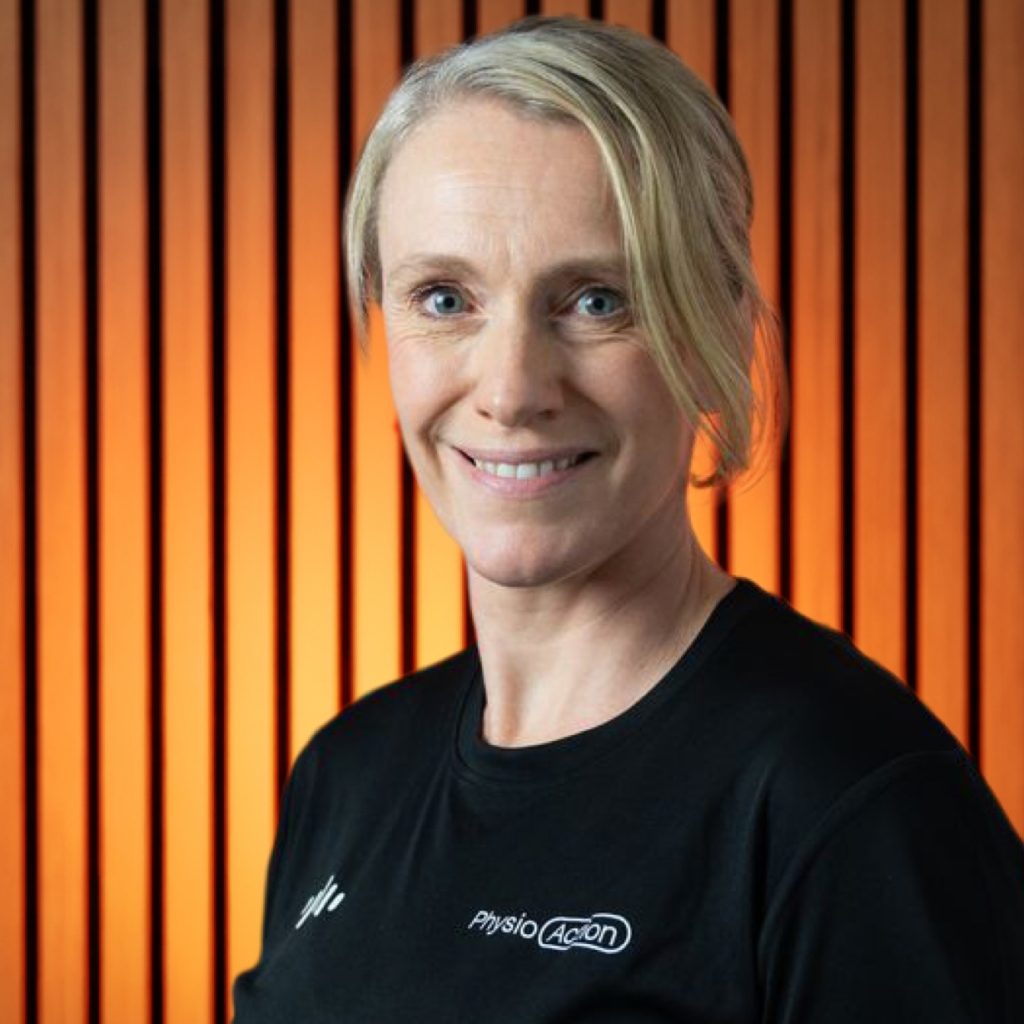
Su Leeming
Senior MSK Physiotherapist and Shoulder Specialist
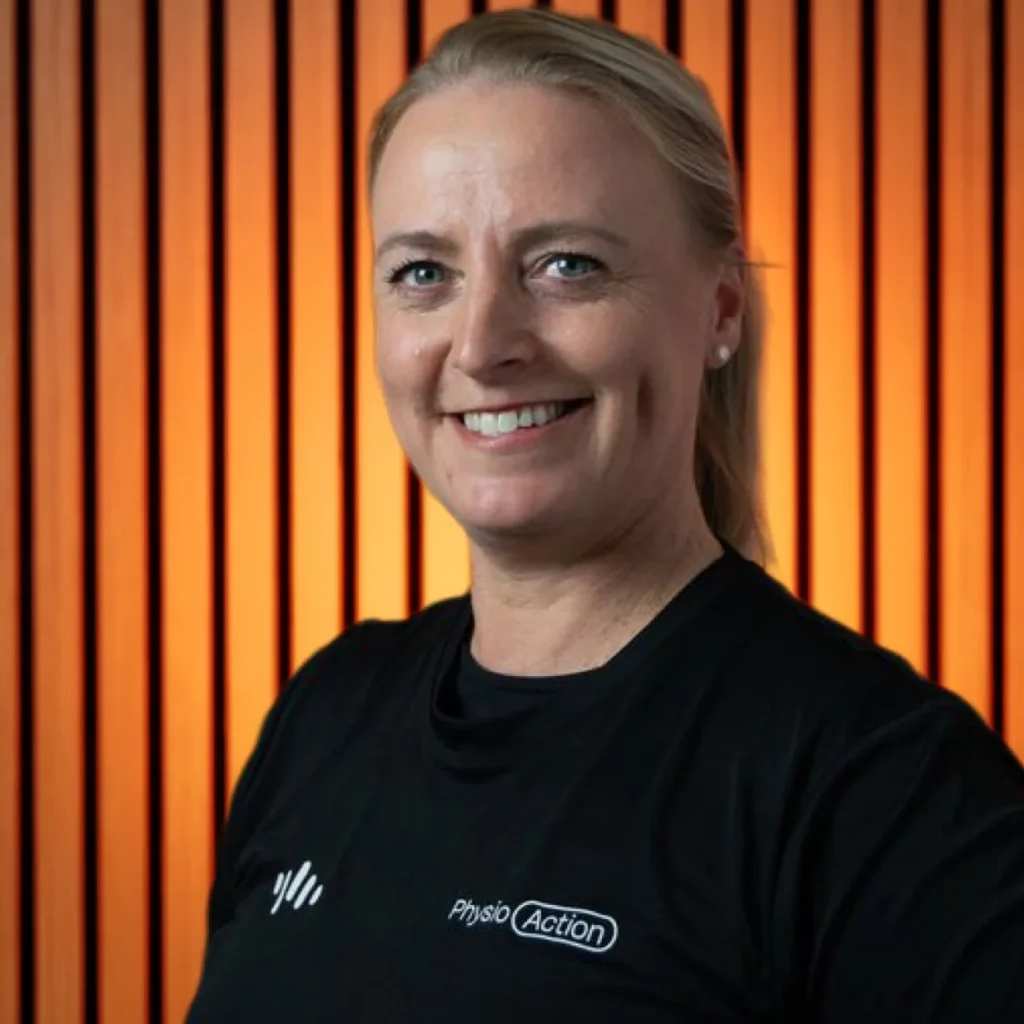
Jane Aspin
Senior MSK Physiotherapist and Spinal Specialist
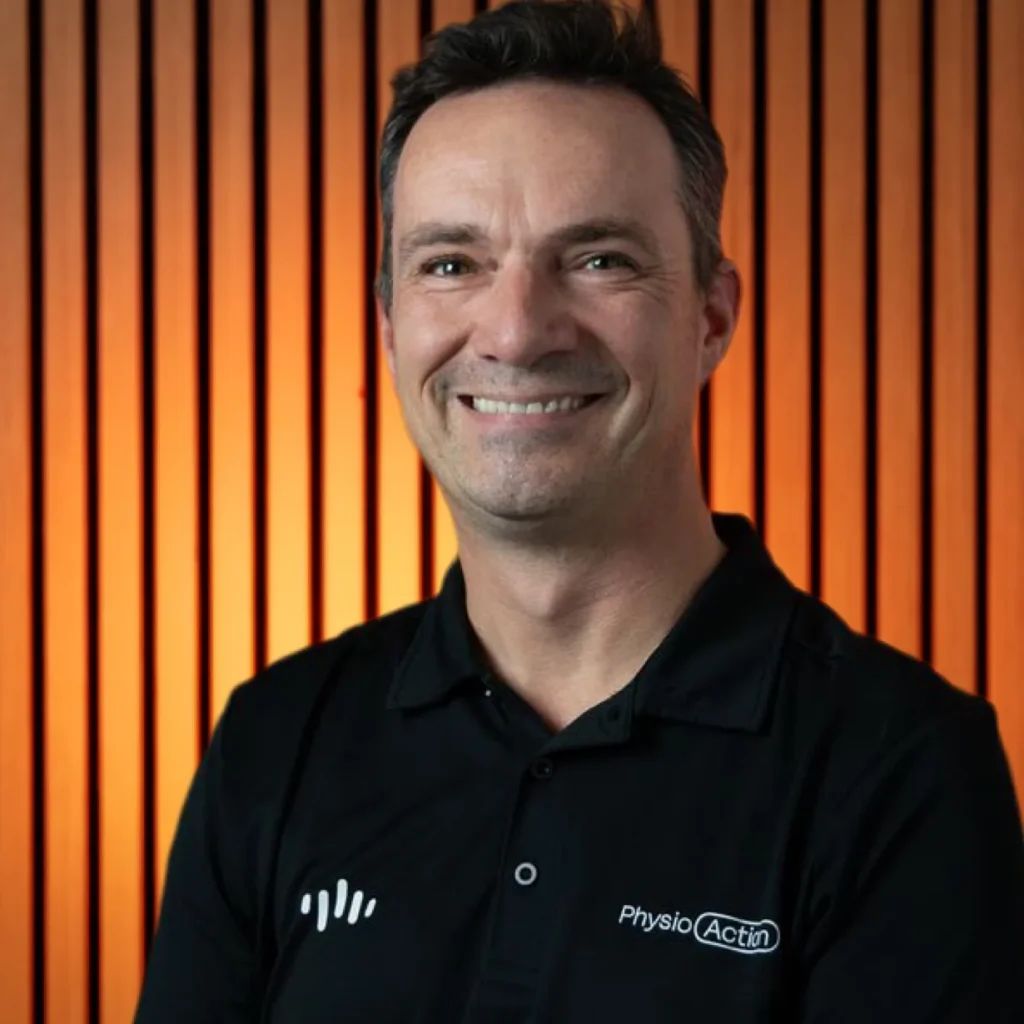
Stephen Kirk
Senior MSK Physiotherapist specialising in lower limb and golfing injuries
Latest journal posts from our experts
Gill Davy
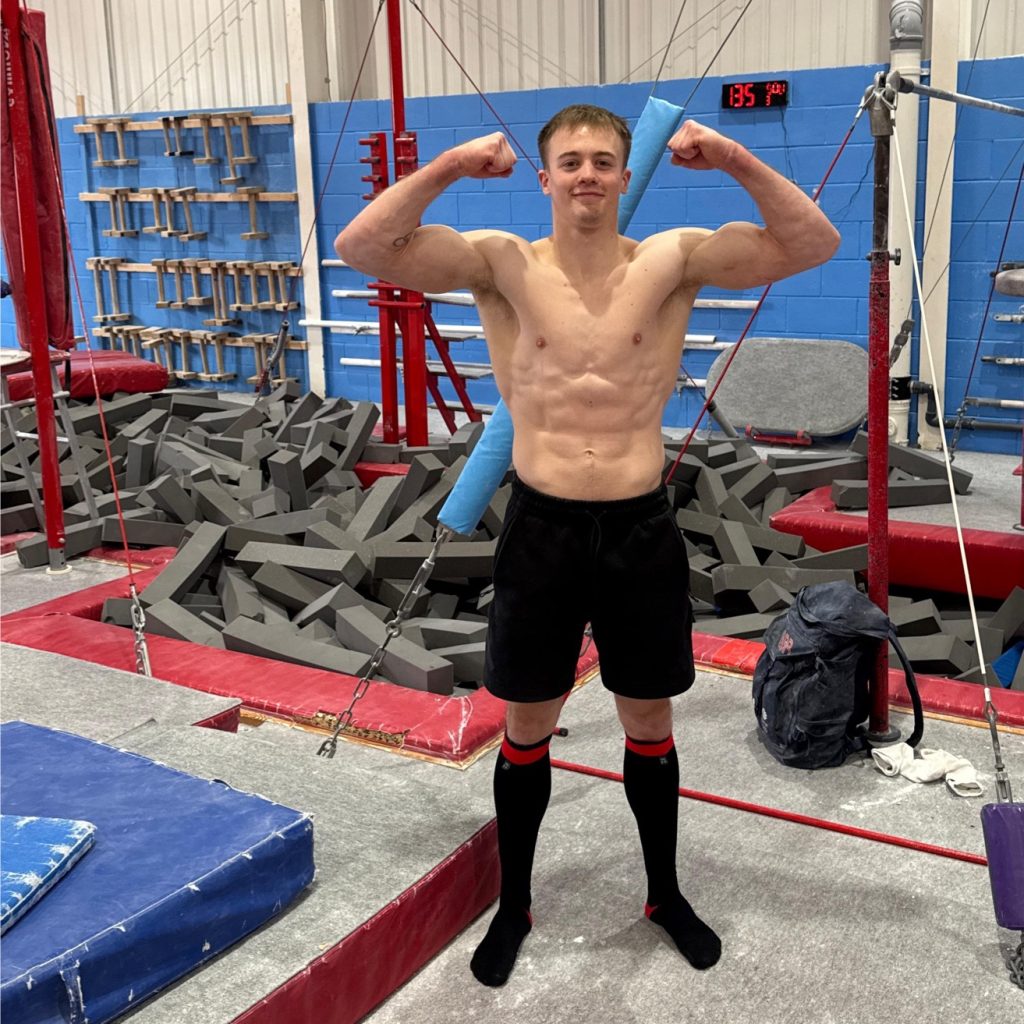
How Olympic Gymnast Luke Whitehouse Is Using the ISOBAR Recovery Solution to Stay at the Top

Jane Smith
A Guide To Better Sleep With Back Pain
