
Knee Pain Free.
Knee pain physiotherapy and rehabilitation
Your recovery powered by Physio Action
Don't Live With Knee Pain
Knee pain has plenty of causes - a sporting injury, general wear from osteoarthritis, or pain that builds gradually with no obvious trigger - but whatever's behind it, the right physiotherapy for knee pain early on makes a real difference to how quickly and how fully you recover.
Physio Action has provided expert knee pain physiotherapy since 2003, across our Leeds, Harrogate, Ilkley and Guiseley clinics. We see everything from ligament and meniscus injuries after a fall or twist, to runner's knee from overtraining, to osteoarthritis that's built up over years. We diagnose the cause, explain it clearly, and build your recovery plan around it - self-diagnosing is one of the most common ways knee problems get managed the wrong way, so getting the right assessment early matters.
Knee Pain Conditions We Treat
- ACL & ligament injuries - sudden instability or a “pop” during a twist, tackle or change of direction, often with the knee giving way
- Meniscus injury - torn cartilage causing catching, locking or swelling, usually after a twisting movement under load
- Runner's knee (patellofemoral pain) - an ache around or behind the kneecap from overuse, common in runners and cyclists
- Osteoarthritis - gradual wear of the joint causing stiffness, swelling and pain that's often worse first thing or after rest
- Tendonitis (jumper's knee) - pain below the kneecap from repetitive jumping, running or overload
- Sprains & strains - overstretched ligaments or muscles, usually during sport or exercise
- Bursitis - swelling and warmth around the knee, often worse with kneeling or bending
- Dislocated kneecap - a sudden, visible change in shape after a collision or awkward change of direction
- Osgood-Schlatter's disease - swelling and pain below the kneecap, common in growing teenagers
ACL Injury & Ligament Damage
An ACL tear is one of the most common serious knee injuries we see, typically from a sudden twist, pivot or awkward landing during sport. Symptoms include a popping sensation at the time of injury, swelling within hours, and the knee feeling unstable or giving way. Whether you're managing an ACL injury conservatively or rehabilitating after surgery, structured physiotherapy is central to regaining strength, stability and confidence in the joint.
Runner's Knee (Patellofemoral Pain)
Runner's knee causes an ache around or behind the kneecap, often triggered or worsened by running, squatting, or sitting with a bent knee for long periods. It's usually linked to how the kneecap tracks as the knee bends, and responds well to a structured strengthening and movement-retraining programme - most runners are back to training within weeks with the right guidance.
Meniscus Injury
The meniscus is the knee's shock-absorbing cartilage, and tears usually happen from a twisting movement while the foot is planted - common in football, rugby and skiing, but also possible from everyday activities as the meniscus wears with age. Symptoms include catching, locking or a feeling of instability. Many meniscus tears respond well to physiotherapy alone; where surgery is needed, we support recovery before and after.
When Should You See a Physio About Knee Pain?
Book an assessment if your knee pain has lasted more than 2–3 weeks, is limiting how you walk or exercise, keeps swelling up, or your knee feels like it's going to give way.
Seek urgent medical attention (A&E or 111) if your knee is unable to bear any weight, is significantly swollen or deformed following an injury, is hot, red and unusually painful (which can indicate infection), or you have knee pain with fever and feeling unwell. Rare, but they require immediate review.

KNEE PAIN PHYSIOTHERAPY - FAQs
How quickly can I be seen?
Most new patients are seen within 24–48 hours across our Leeds, Harrogate, Ilkley, Guiseley and Chapel Allerton clinics.
Do I need a GP referral?
No - book directly online or by phone.
Will I need an MRI or X-ray for my knee?
Most knee pain doesn't need imaging straightaway. If a scan is needed, we can arrange a private MRI, ultrasound or X-ray - usually within days.
Should I rest or stay active?
Stay as active as comfort allows - for most knee problems, gentle movement and targeted exercise speed recovery more than complete rest.
Do I need surgery for an ACL injury?
Not always - some ACL tears are managed successfully with physiotherapy alone, especially for less active patients. Where surgery is the right option, we support you before and after, and structured rehab is essential either way.
What is runner's knee and how is it treated?
Runner's knee is pain around the kneecap linked to overuse and how the knee moves under load. It responds well to a targeted strengthening and movement programme, usually without needing to stop activity completely.
How long does it take to recover from a meniscus injury?
It depends on the size and location of the tear - many people improve significantly within 6–8 weeks of physiotherapy, though more complex tears or those needing surgery can take longer.
Physio Action's Knee Pain Specialists
Our Knee Pain Specialists
Latest Knee Pain journal posts from our experts

Rachel Horsfall
Senior MSK Physiotherapist specialising in sports injuries in children

Matt Allen
MSK Physiotherapist, specialising in OA Hip and Knee

Gill Davy
Clinic Director

Stephen Kirk
Senior MSK Physiotherapist specialising in lower limb and golfing injuries

Tom Meadows
MSK Physiotherapist
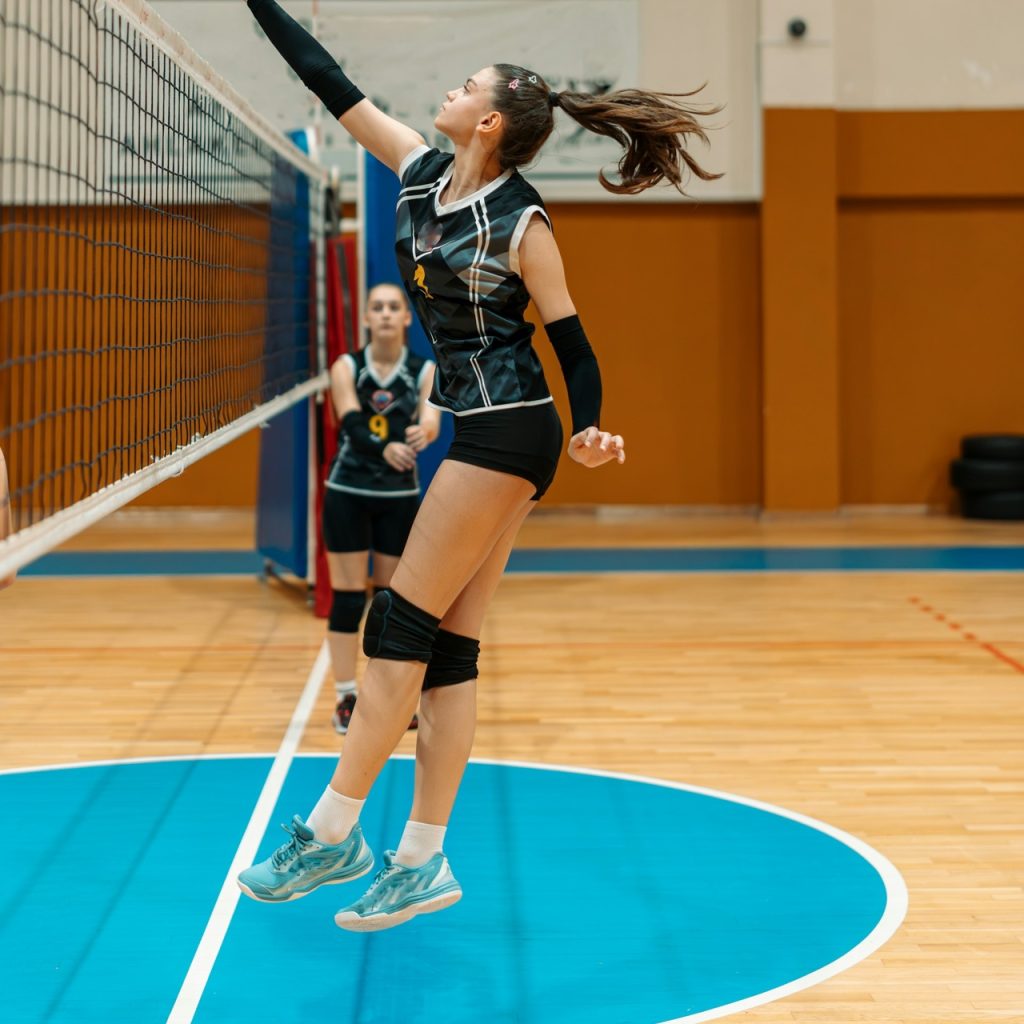
The Whole-Body Effort of Jumping
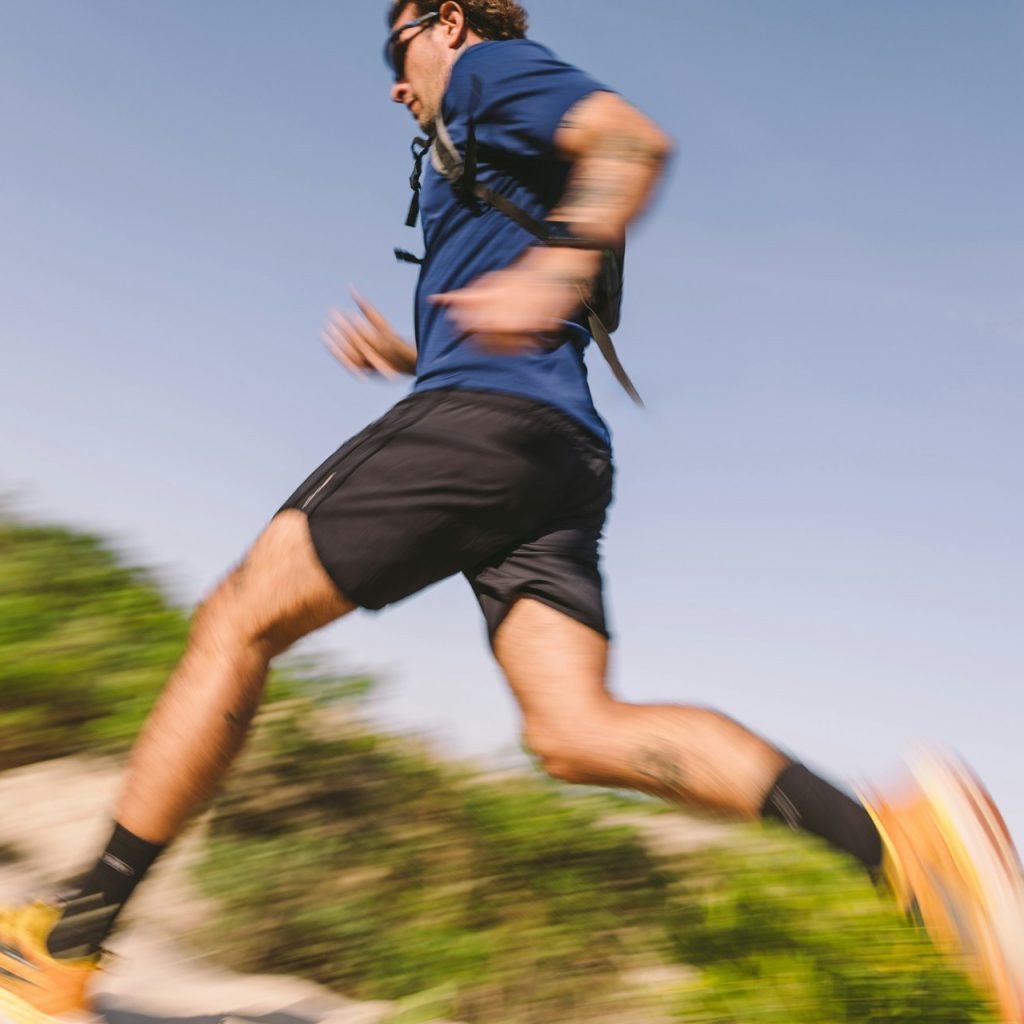
Preventing Hamstring Injuries During Your Runs
