
Back to sport. Faster.
Sport Physiotherapy and rehabilitation
Your recovery powered by Physio Action
Don't Let a Sports Injury Slow You Down
Whether it's a collision on the pitch, a niggle that's built up over weeks of training, or an overuse injury from doing too much too soon, the right sports physiotherapy gets you back to full fitness faster and helps stop the same injury coming back.
Physio Action has provided expert sports physiotherapy since 2003, across our Leeds and Harrogate clinics, as well as Ilkley, Guiseley and Chapel Allerton. We treat everyone from weekend runners and club players to professional athletes, diagnosing the root cause of your injury, not just the symptoms, and building a rehabilitation plan that gets you back to your sport with confidence.
Sports Injuries We Treat
- Muscle tears and strains - from overstretching or overloading during exercise
- Ligament and joint injuries - including sprains and instability, common in the ankle, knee and shoulder
- Tendon injuries - tennis elbow, golfer's elbow and Achilles tendon problems from repetitive strain
- Ligament and cartilage damage - including ACL and meniscus injuries, often from a twist or collision
- Fractures and dislocations - working alongside your surgical team where needed, through to full rehabilitation
- Overuse injuries - runner's knee, shin splints and other niggles that build up gradually over training
Physiotherapy for Runners
From shin splints to runner's knee, running injuries are usually down to training load, footwear or biomechanics. We assess how you move, treat the injury, and help you build back up safely so you're not straight back at square one.
Physiotherapy for Cyclists
Cycling injuries often come from either a crash or from bike position, which is where our bike fit service crosses over with physiotherapy. We treat the injury and can advise on set-up changes that reduce the risk of it recurring.
Physiotherapy for Rugby Players
Contact sports carry a higher risk of collision injuries, from shoulder and knee ligament damage to concussion-related issues. We work with players across the season, from acute injury through to a structured, graded return to contact.
Physiotherapy for Footballers
Hamstring strains, ankle sprains and knee ligament injuries are among the most common issues we see in footballers. Our rehabilitation plans are built around getting you match-fit again, not just pain-free.
We also treat sports-specific injuries for cricketers, gymnasts, tennis players or any sport you can think of; get in touch to discuss your sports injury.
When Should You See a Physio About a Sports Injury?
Book an assessment if pain, swelling or restricted movement hasn't settled within a week or so, or if an old injury keeps recurring whenever you return to training.
Seek urgent medical attention (A&E or 111) if you can't bear any weight on the injured area, there's an obvious deformity or the joint looks out of place, you experience numbness or loss of sensation, or the injury follows a significant collision or fall with severe swelling. Rare, but they require immediate review.

Sports injury physiotherapy - FAQ's
How quickly can I be seen?
Most new patients are seen within 24-48 hours across our Leeds, Harrogate, Ilkley, Guiseley and Chapel Allerton clinics.
Do I need a GP referral?
No - book directly online or by phone.
What's the difference between sports physiotherapy and general physiotherapy?
Sports physiotherapy focuses specifically on getting you back to training and competing, not just pain-free daily life. That means a structured, graded return-to-sport plan alongside your treatment.
Do you treat amateur athletes, or just professionals?
Both. We treat everyone from weekend club players to elite and professional athletes and Olympians; your rehabilitation plan is built around your goals, whatever level you play at.
Can physiotherapy help me get back to sport faster after an ACL or meniscus injury?
Yes - structured rehabilitation is one of the biggest factors in a safe, timely return to sport after ligament or cartilage injuries. See our Knee Pain page for more on ACL and meniscus treatment specifically.
How soon after an injury should I see a physio?
As soon as you can, ideally within a few days. Early assessment helps prevent a minor injury turning into a longer-term problem.
Physio Action's Sports injury SPECIALISTS
Our Sports Injury Specialists
Latest journal posts from our experts

Rachel Horsfall
Senior MSK Physiotherapist specialising in sports injuries in children

Gemma James
Senior MSK Physiotherapist and JEMS Specialist

Sophie Robinson
MSK Physiotherapist and Sports Massage Therapist

Su Leeming
Senior MSK Physiotherapist and Shoulder Specialist

Matt Allen
MSK Physiotherapist, specialising in OA Hip and Knee

Jenny Frosztega
Senior MSK Physiotherapist and Paediatric and sports injury specialist

Allen Brown
Senior MSK Physiotherapist

Emily Cahill
MSK Physiotherapist with a special interest in football injuries

Gill Davy
Clinic Director

Rachel Galley
Clinic Director

Stephen Kirk
Senior MSK Physiotherapist specialising in lower limb and golfing injuries

Matt Hancocks
Sports Massage and Exercise Rehabilitation Therapist

Tom Meadows
MSK Physiotherapist
Latest journal posts from our experts
Gill Davy
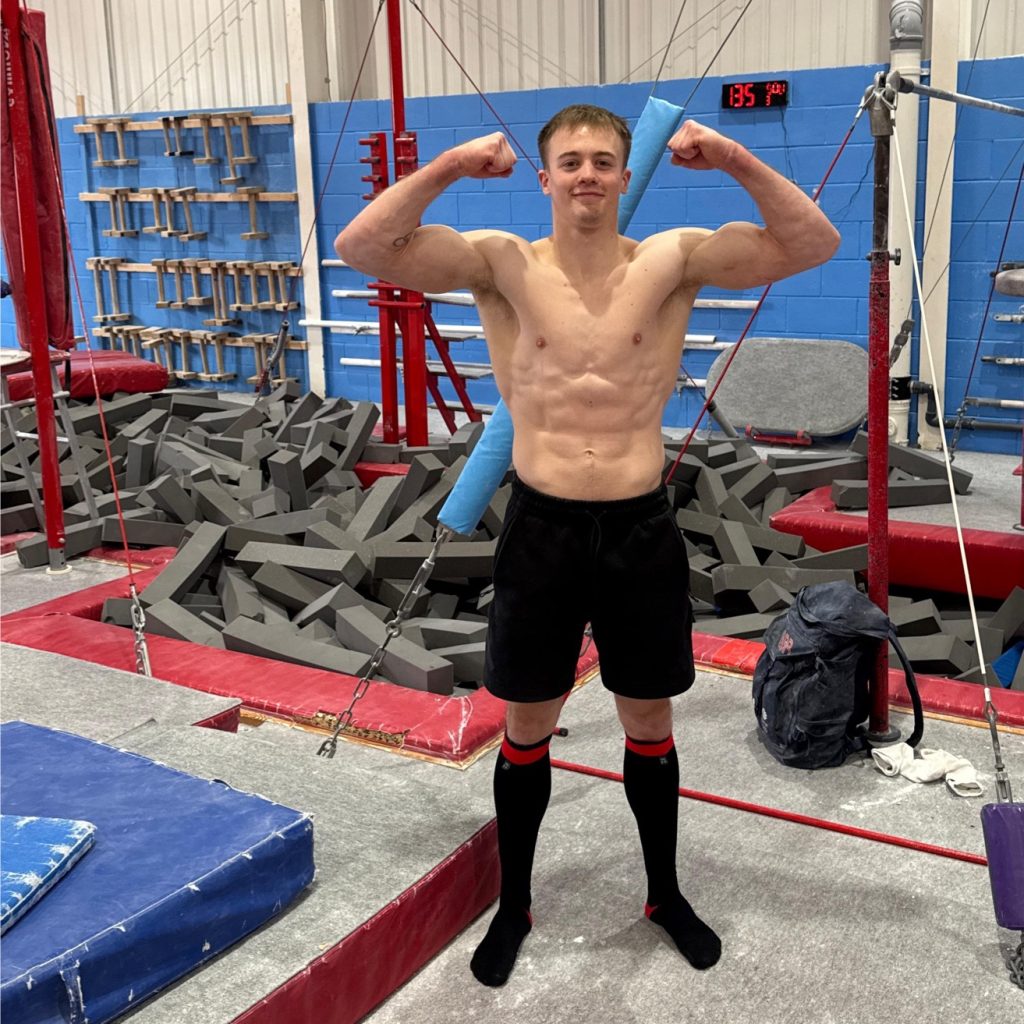
How Olympic Gymnast Luke Whitehouse Is Using the ISOBAR Recovery Solution to Stay at the Top

Jane Smith
A Guide To Better Sleep With Back Pain
